
We think about exterior finishes differently than most catalogs do, because durable exterior finishes on a Texas build have to survive triple-digit summer heat, sideways spring rain, and the occasional high-wind event, sometimes all in the same year. Picking materials built for that range matters more than picking a color first.
We walk every family through these tradeoffs before a single panel goes up.
Siding That Holds Up to Wind and Heat
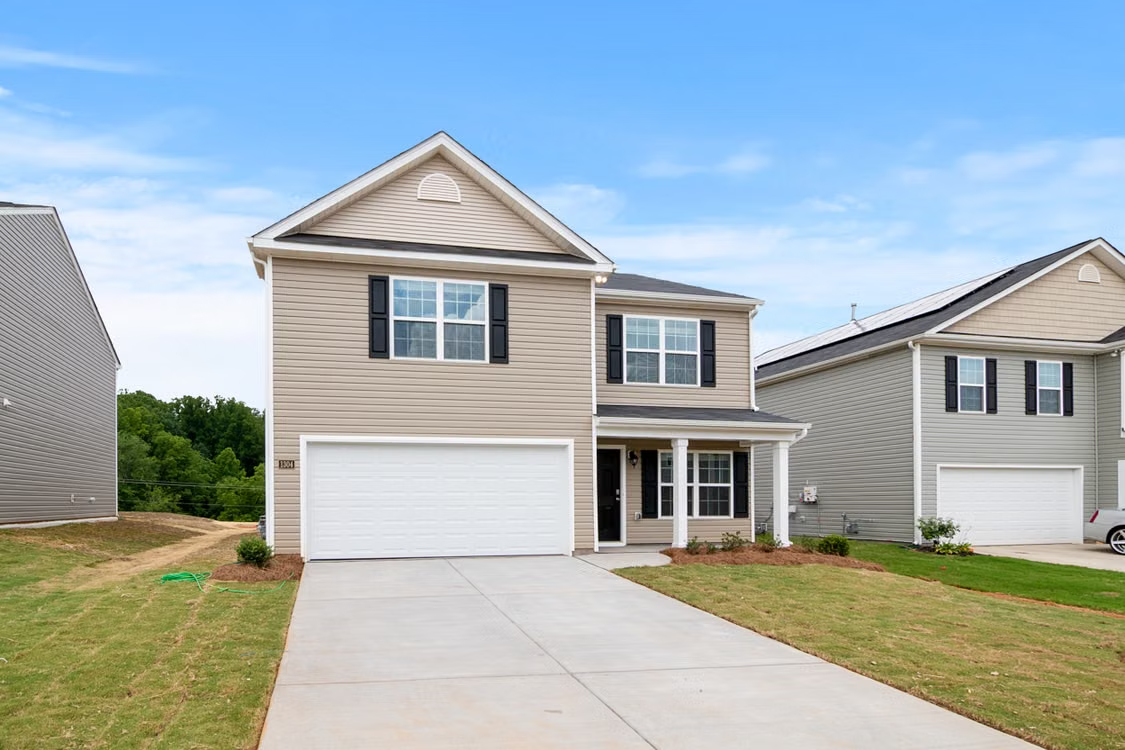
ASTM D7793, the standard specification for insulated vinyl siding, sets wind and impact resistance benchmarks that give us a real way to compare siding products instead of relying on a manufacturer’s marketing claims alone.
Fiber cement siding is another option we bring up often, since it resists both moisture and pest damage better than untreated wood, even though it costs more upfront than standard vinyl.
Roofing Built for Severe Weather
We look to programs like IBHS’s FORTIFIED Roof standard when we talk through roofing options, since it lays out specific installation practices, like sealed roof decking and stronger fastening patterns, that measurably reduce wind and water damage during severe storms.
A metal roof is worth the conversation too, especially on a rural property, since it sheds hail better than standard asphalt shingles and typically lasts two to three times as long.
Paint, Trim, and the Details That Fade First
Trim and paint take the most visible weather damage over time, so we favor exterior-grade acrylic paint rated for UV exposure and moisture, since a lower-grade product can start chalking or peeling within just a couple of Texas summers.
Sealing every seam around windows and doors during installation also keeps wind-driven rain from finding its way behind the siding, which is where most long-term moisture damage actually starts.
Gutters and Drainage Protect the Finishes You Chose
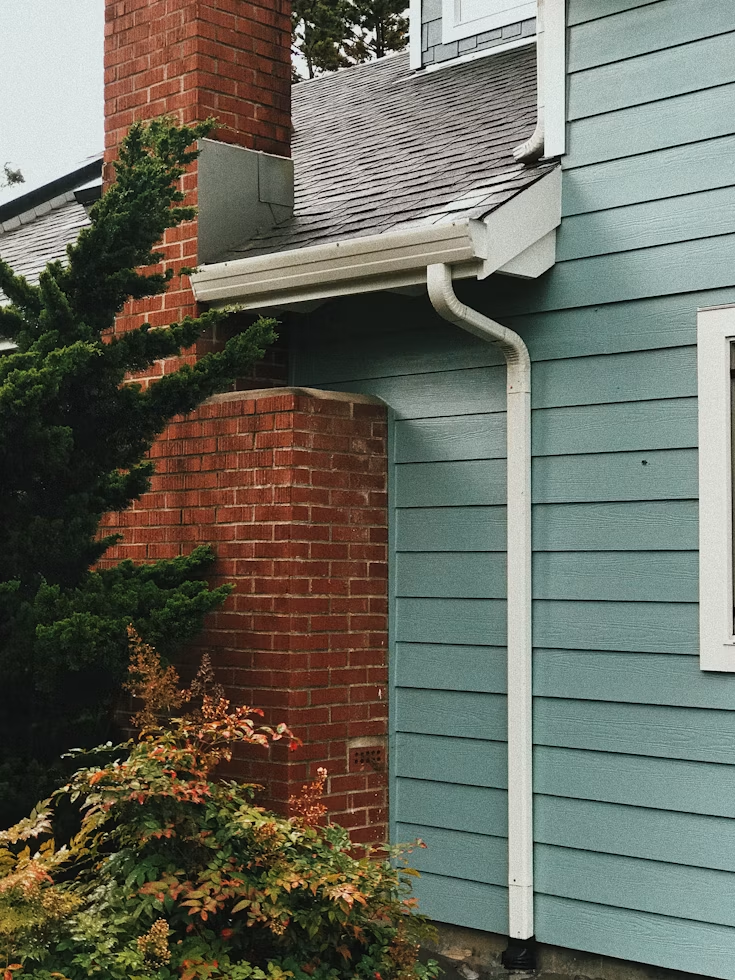
Even the best siding and roofing can take on damage if water is not moving away from the home properly, so we size gutters and downspouts to handle a real Texas downpour, not just a light rain.
Extending downspouts well past the foundation, rather than letting water drop straight down next to the house, keeps splash-back from staining exterior finishes and prevents soil erosion right along the foundation line.
Build Once, Maintain Less
Choosing storm-resistant roofing, weather-rated siding, and UV-stable exterior paint upfront costs more at the start, but it means fewer repairs and repaints over the life of the home, which is the tradeoff we walk through with every family before finishes get finalized. A durable roofing material especially pays for itself the first time a hailstorm rolls through.
Contact us to go over exterior finish options for your specific lot and exposure, or visit Dillon Shell Homes to see finish choices on recent builds.