
Every spring, we build around the same reality: Texas weather does not follow a construction schedule. Managing construction timelines during a wet stretch is less about fighting the rain and more about sequencing the work so a storm delays one task instead of the whole project.
We plan every spring build with that in mind from the first week on-site.
Why Spring Rain Hits Texas Job Sites Hard
NOAA’s Climate.gov coverage of climate and construction notes that heavier, more concentrated rainfall events are becoming more common across much of the country, which means a single spring storm can now dump what used to take a full week to fall.
We watch the regional forecast from the National Weather Service’s Houston/Galveston forecast office closely during a build, since a storm system tracking through Southeast Texas can change a pour date with only a day or two of notice.
Sequencing Work Around a Wet Forecast
We schedule concrete pours for the driest stretch of days we can find, since fresh concrete needs time to cure before heavy rain hits it. When a pour has to wait, we shift the crew to tasks that do not depend on dry ground, like framing prep, material staging, or interior planning with the homeowner.
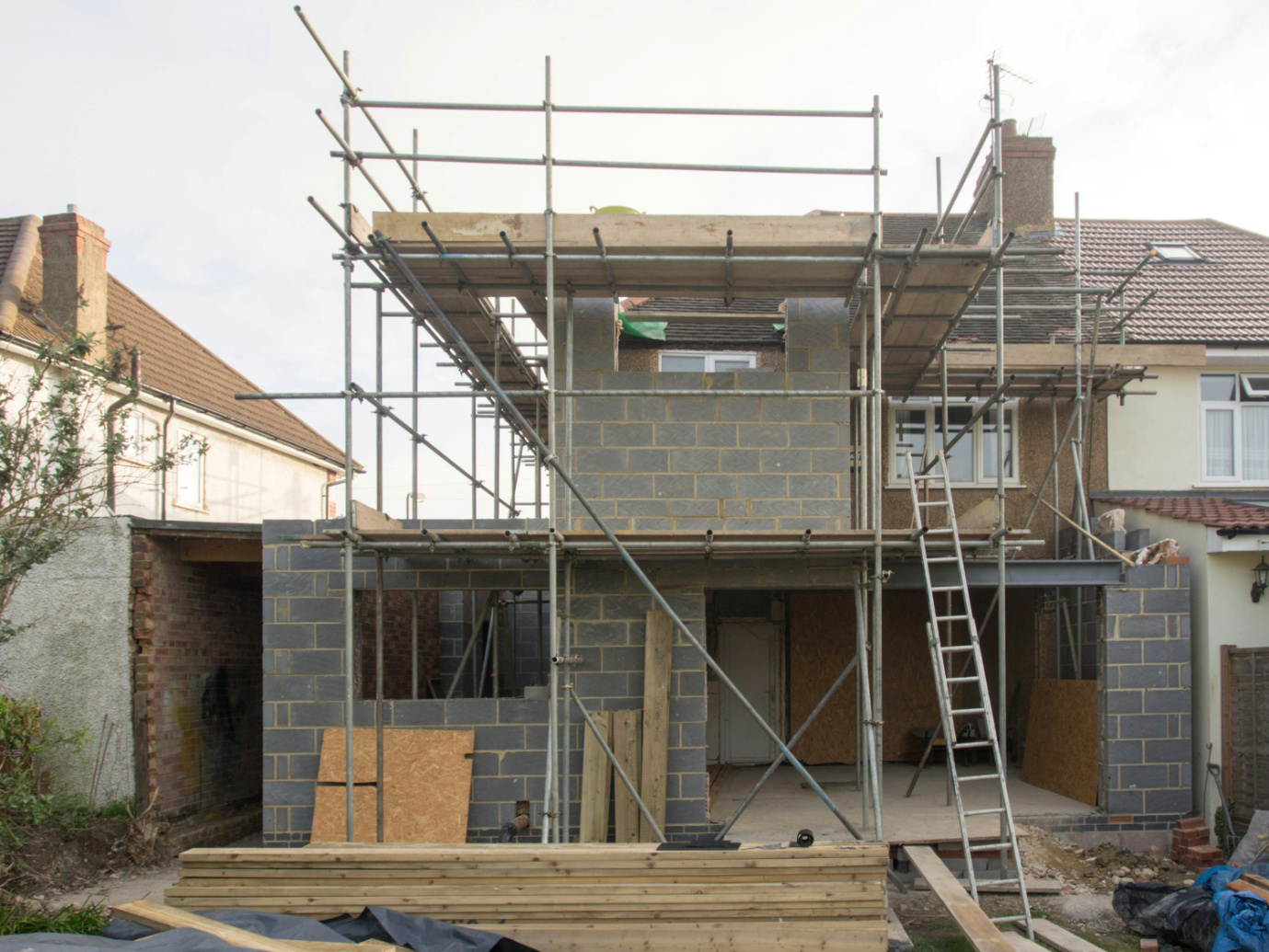
Covering exposed lumber and keeping materials off bare ground on pallets also protects the build budget, since waterlogged materials can warp or need replacing entirely.
Protecting the Site Itself From Water Damage
A rural lot without proper drainage can turn into standing water fast, which is why we grade the site to move water away from the building pad before framing ever starts. Temporary gravel access roads also keep delivery trucks from getting stuck in a lot that turned to mud overnight.
We stay in close contact with the family during a rain delay too, since a clear update on the revised timeline matters more to most homeowners than the delay itself.
Communicating Changes Before They Become a Surprise
We send an updated timeline as soon as a storm forces a real change, rather than waiting until the family asks. A quick call or message explaining which task moved and why keeps trust intact even when the calendar shifts.
We also flag decisions that need a fast answer, like whether to push a materials delivery back a few days, so the family is never the reason a delay turns into a longer one.
Building Buffer Time Into the Schedule
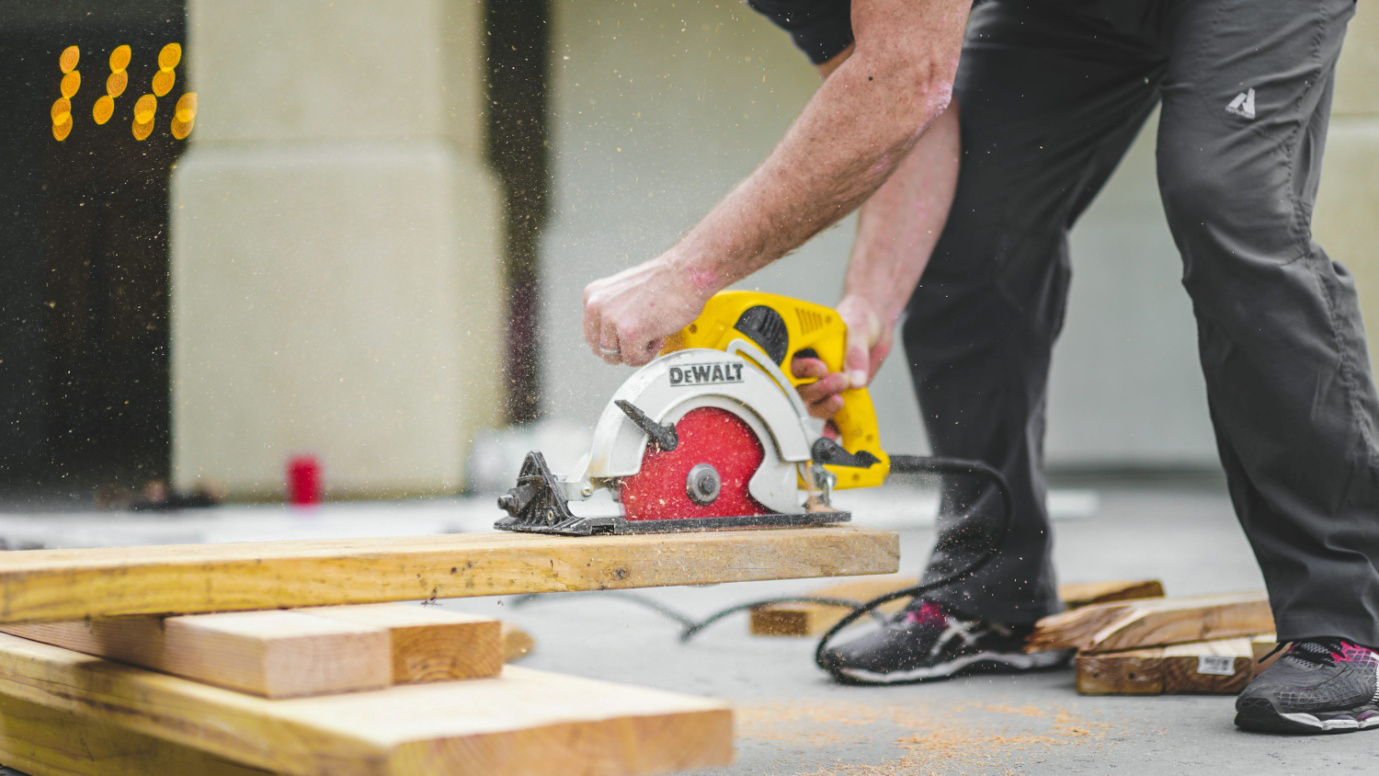
We build a realistic weather buffer into every spring timeline rather than promising a date that only works if it never rains. That buffer, paired with good site drainage planning, a flexible crew work schedule, and a close eye on the forecast, keeps construction delays from rain to a manageable few days instead of weeks.
Contact us if you’re planning a spring build and want a realistic, weather-adjusted timeline, or visit Dillon Shell Homes to see current availability for your area.